
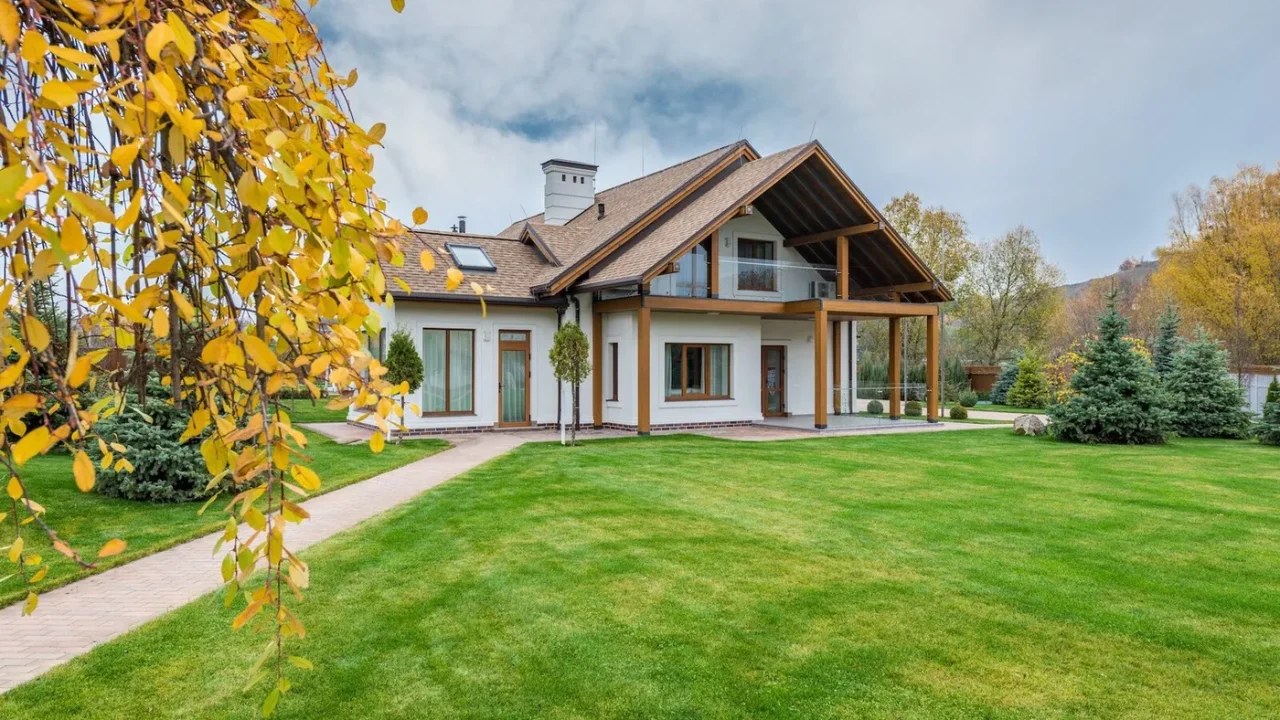
Residential construction is a symphony of imagination, engineering, and craftsmanship, harmonizing to create homes that encapsulate comfort, style, and personal identity. As we embark on this journey, we unveil the multifaceted realm of residential construction, revealing its core components, intricacies, challenges, and its profound impact on shaping the spaces where memories are made.
The Essence of Residential Construction
Residential construction is more than bricks and mortar; it’s the embodiment of aspirations and dreams. It transforms blueprints into abodes, reflecting the personalities and lifestyles of the people who will inhabit them. The emotional connection to homes is unparalleled, as they become the backdrop for life’s cherished moments, from quiet evenings to grand celebrations. At its core, residential construction marries the artistry of architecture with the precision of engineering, resulting in structures that stand as symbols of human achievement.
Key Stages of Residential Construction
The journey of residential construction traverses various stages, each pivotal to the project’s success. Pre-construction planning and design lay the foundation, where ideas take shape, layouts are conceptualized, and styles are chosen. Site preparation and foundation mark the birth of the structure, setting the stage for the building process. Framing and structural components transform raw materials into the skeleton of the home, embodying its form. Mechanical and electrical systems weave modern comforts into the fabric of the structure, while interior finishes and aesthetics paint the canvas with personality.
The journey concludes with final inspections and handover, ensuring that the home meets quality standards and regulatory requirements. This holistic journey from concept to completion entails meticulous attention to detail and a harmonious collaboration among professionals.
Architects and Designers: Architects and designers are the architects of dreams. They fuse creativity with functionality, capturing the essence of a homeowner’s vision in meticulous blueprints. Their role extends beyond aesthetics; they consider spatial flow, natural lighting, and user experience to craft spaces that harmonize with daily living.
Engineers and Consultants: Engineers bring stability and efficiency to the project. Structural engineers ensure the building’s safety, translating architectural visions into stable structures. Energy consultants explore ways to optimize energy usage, integrating sustainable practices into the design. Technological experts infuse homes with automation, security, and connectivity.
Contractors and Subcontractors: Contractors are conductors of the symphony of construction. They manage schedules, budgets, and the coordination of diverse teams. Subcontractors, ranging from electricians to plumbers, lend their specialized skills to specific phases of the project, weaving together a seamless tapestry.
Skilled Trades and Craftsmen: From masons to carpenters, these artisans breathe life into designs. They meticulously carve wood, lay bricks, and craft finishes, turning blueprints into tangible beauty. Their hands shape the tactile experiences that homeowners will cherish for years to come.
Regulatory Authorities and Inspectors: The oversight of regulatory authorities and inspectors is vital for ensuring compliance with building codes and safety standards. They conduct inspections at various stages, from foundation to completion, ensuring that the construction meets legal and quality requirements.
Budgeting and Financial Aspects
Residential construction is not just about creativity; it’s a financial endeavor that demands careful planning. Setting realistic budgets is essential, considering the scope of the project and the desired level of quality. Accurate cost estimation and contingency planning cushion against unexpected expenses. Homeowners must explore financing options that align with their financial capacity, whether through savings, loans, or other funding sources.
Designing the Residential Landscape
Designing a home goes beyond aesthetics; it’s about harmonizing style with functionality. Homeowners choose architectural styles and themes that resonate with their tastes, be it contemporary, traditional, minimalist, or eclectic. Space planning and layouts optimize room configurations for comfort and flow. The trend towards sustainability and green building integrates eco-friendly materials, energy-efficient systems, and renewable technologies. Balancing aesthetics with functionality ensures that spaces are not only beautiful but also practical for daily life.
Navigating Regulatory Waters
Residential construction operates within a framework of regulations and codes that safeguard safety and harmony within communities. Zoning laws and building codes dictate how land can be used and what can be built. Obtaining the necessary permits and approvals is essential before construction begins. Compliance with environmental regulations ensures responsible construction practices that minimize ecological impact. Addressing neighborhood and community concerns fosters positive relationships and a sense of cohesion.
Challenges and Triumphs in Residential Construction
Residential construction is a tapestry woven with challenges and triumphs. Managing timelines and deadlines is a delicate balance that requires precise coordination among various teams. Ensuring quality craftsmanship demands rigorous oversight to meet standards and exceed expectations. Adapting to design changes and client preferences in the midst of construction necessitates flexibility and clear communication. Mitigating weather and site challenges, from unexpected rain to uneven terrain, requires adaptability and problem-solving skills.
Innovations Shaping Residential Construction
In the digital age, residential construction is embracing innovations that redefine the industry. Prefabrication and modular construction streamline the building process by fabricating components off-site, minimizing waste and accelerating construction. Smart homes and integrated technologies weave automation into the fabric of daily life, from controlling lighting through smartphones to managing energy consumption. Sustainable materials and energy efficiency not only reduce environmental impact but also cut long-term utility costs. Technologies like 3D printing and Building Information Modeling (BIM) revolutionize the design and construction process, enhancing accuracy and efficiency.
Case Studies: Exemplary Residential Projects
Exploring real-life examples of residential construction showcases the potential and creativity within the field. The Passive House, a pinnacle of energy efficiency, proves that sustainability and comfort can coexist. Luxury retreats offer innovative designs and features that cater to the discerning homeowner. Tiny homes demonstrate how small spaces can be maximized without sacrificing style or functionality. Historic preservation and modern living exemplify the delicate balance between honoring heritage and embracing contemporary living.
Balancing Personalization with Practicality
Residential construction is the art of balancing personalization with practicality. Customization allows homeowners to tailor their spaces to their unique preferences, creating a sense of ownership. However, practical considerations, from layout efficiency to future resale value, must be weighed alongside personalization to ensure that the home remains functional for years to come. Integrating trends while embracing timeless design principles contributes to a space that stands the test of time.
Conclusion: Crafting Lifelong Abodes
Residential construction is more than erecting structures; it’s about crafting lifelong abodes where families gather, memories are made, and lives unfold. The collaborative efforts of diverse professionals transform dreams into tangible reality. From the initial spark of inspiration to the final touches, residential construction embodies creativity, technical mastery, and unwavering dedication. As homes rise from foundations to rooftops, they become the backdrop to lives well-lived, encapsulating the essence of comfort, identity, and the human spirit’s eternal quest for a place to call home.
Also Read: Elevating Spaces: The Art and Science of Home Improvement and Renovation