
Quick answer
To split a lot, each new lot must meet zoning minimums for size, width and frontage, have legal access, and be able to get water, sewer or septic, and power. A surveyor prepares the proposed plat or parcel map, the planning department reviews it, sometimes with a public hearing, and the approved map is recorded. Engineering is often needed for grading, drainage, utilities and access.
Splitting a lot can unlock a building site or a sale, but only if every new lot works on its own. The checks below tell you early whether yours does.
Step 1: Check zoning
- Minimum lot area, width and street frontage for each new lot
- Setbacks for any existing buildings from the new property line
- Special lot split laws: California’s SB 9, for example, allows many single-family lots to be split into two, subject to size and other conditions
Step 2: Confirm utilities and access
- Each lot needs its own water, sewer or septic, and power connection, or recorded easements
- Each lot needs legal access to a public road, directly or by easement
Step 3: Survey and application
A licensed surveyor prepares the proposed plat or parcel map. The application often includes a site plan, utility layout and drainage information.
Step 4: Review and approval
Simple splits are often approved administratively. Larger subdivisions, or splits needing exceptions, go to the planning commission. Conditions may include utility extensions, sidewalk or driveway improvements and drainage facilities.
Step 5: Record
Once conditions are met, the final map is recorded with the county, and the new lots legally exist.
Where engineering comes in
- Grading and drainage for the new lots
- Utility plans and septic suitability
- Driveway and access design
- Property address and current survey
- How you want to divide the lot
- Existing buildings and utilities
Lot split: common questions
How long does a lot split take?
Simple administrative splits can take a few months; splits needing hearings or improvements take longer.
Can I split my lot if it is too small?
Only if zoning or a special law allows it, or you obtain a variance, which is not guaranteed.
Who do I hire to split a lot?
A licensed surveyor for the map, and an engineer when grading, drainage or utilities need design.
Is a lot split the same as a subdivision?
A lot split is a small subdivision, usually into a few lots, often with a simpler process.
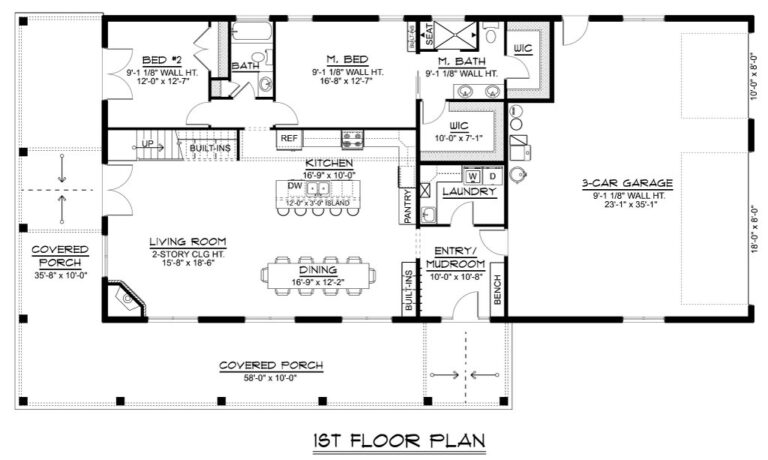
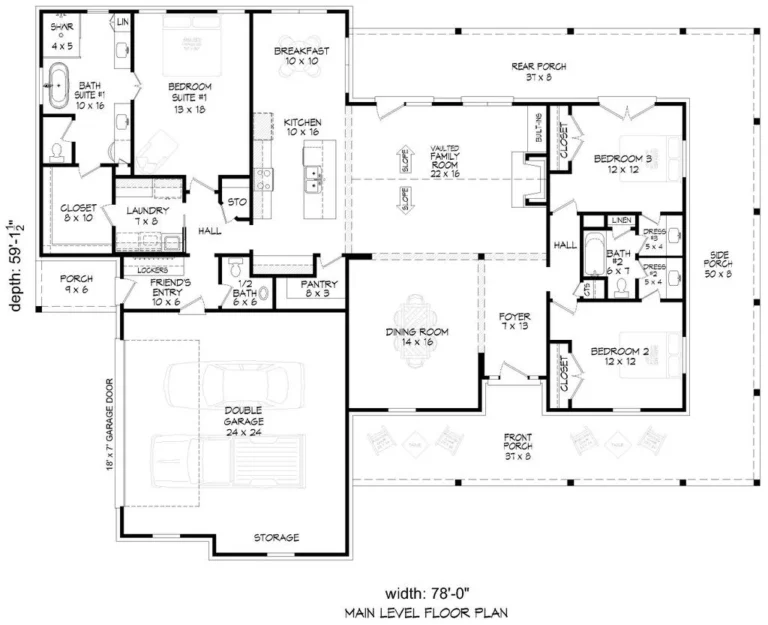
Sample sheets from recent permit sets
References: ICC building codes · NCEES state licensing boards