
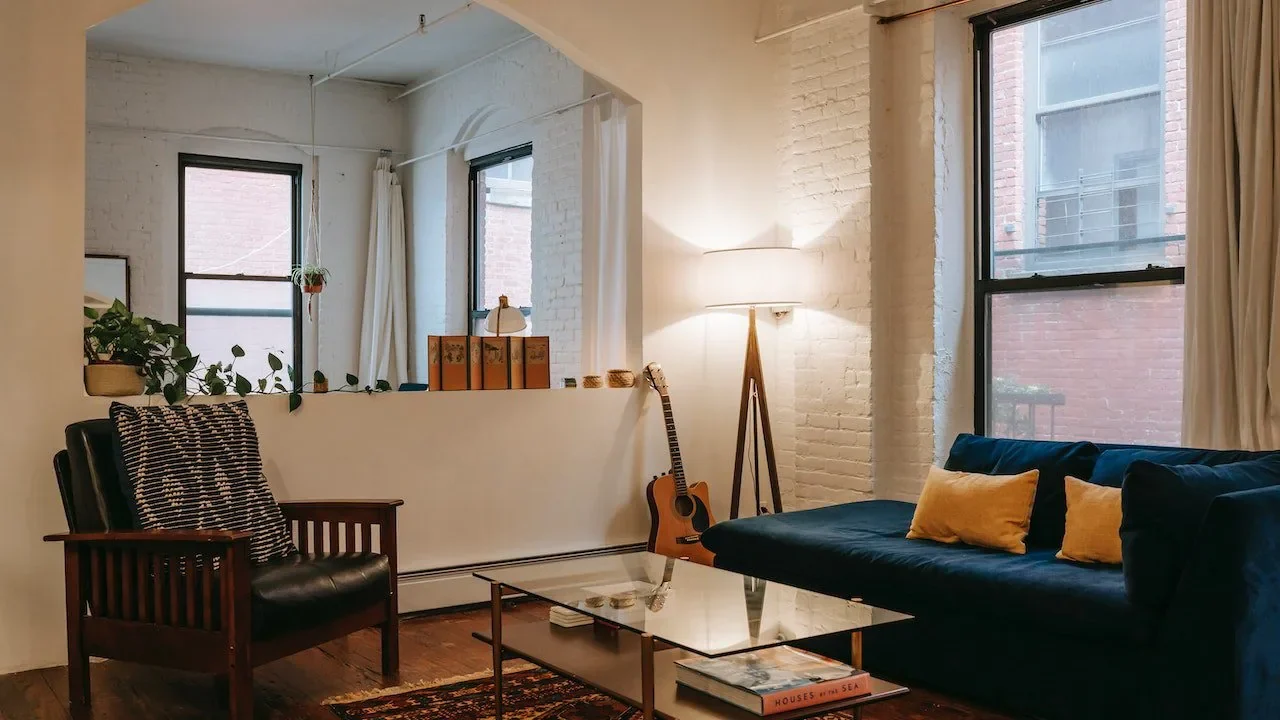
In the realm of architecture and construction, the synergy between interior and exterior design holds the key to creating spaces that are not only aesthetically pleasing but also functional and harmonious. Whether it’s a cozy living room or a captivating outdoor landscape, the balance between these two facets can transform any space into a work of art. In this guide, we’ll delve into the world of interior and exterior design, exploring concepts, tips, and inspirations that will empower you to master this dynamic art form.
Both interior and exterior design can be used to create a space that is both aesthetically pleasing and functional. However, the two disciplines have different goals and approaches.
Interior design is typically focused on creating a space that is comfortable and inviting for the people who use it. It often uses elements such as furniture, lighting, and color to create a specific mood or atmosphere.
Exterior design, on the other hand, is typically focused on creating a space that is visually appealing and reflects the style of the building. It often uses elements such as windows, doors, and landscaping to create a sense of balance and harmony.
Despite their different goals, interior and exterior design can work together to create a cohesive and stylish space. When designing a space, it is important to consider both the interior and exterior elements to create a space that is both beautiful and functional.
The Essence of Interior Design
Interior design is the art of enhancing the interior of a space to create a more aesthetically pleasing and functional environment. Here’s how you can achieve excellence in interior design:
1. Understanding Space Dynamics
Begin by comprehending the spatial dynamics of a room. Consider factors such as the room’s size, layout, and natural light sources. This understanding forms the foundation for your design decisions.
2. Color Palette and Mood
Selecting the right color palette sets the tone for the entire space. Warm tones evoke coziness, while cooler shades create a sense of serenity. Integrate colors that align with the desired mood of the room.
3. Furniture and Layout
Choose furniture that complements the room’s style and scale. Thoughtful furniture arrangement enhances traffic flow and optimizes functionality.
4. Textures and Patterns
Incorporating textures and patterns adds depth and visual interest. Combine different textures and patterns to create a balanced and captivating interior.
5. Lighting Magic
Lighting plays a pivotal role in interior design. Use a mix of ambient, task, and accent lighting to highlight focal points and create a layered, inviting ambiance.
The Artistry of Exterior Design
Exterior design extends the beauty of a building beyond its walls, shaping the overall impression and connection with the environment. Here’s how you can elevate your exterior design:
1. Architectural Harmony
The exterior design should harmonize with the architecture’s style and surroundings. Consider the building’s context, whether it’s a suburban home or an urban apartment complex.
2. Landscape Integration
Integrate landscaping elements that complement the building’s design. Incorporate plants, trees, and pathways that enhance the visual appeal and provide a seamless transition between indoor and outdoor spaces.
3. Material Selection
Choose exterior materials that withstand weather conditions and lend a distinctive character. Whether it’s stone, wood, metal, or glass, the right materials can define the aesthetics of the building.
4. Color Palette Continuity
Maintain a consistent color palette between the interior and exterior spaces. This creates a cohesive design that feels connected and well thought out.
5. Outdoor Living Spaces
Design outdoor spaces that encourage relaxation and recreation. Consider patios, decks, and gardens as extensions of the interior, providing residents with areas to unwind and entertain.
Achieving Synchrony: Blending Interior and Exterior Design
The magic happens when interior and exterior design seamlessly blend together. Here’s how you can achieve that perfect synergy:
1. Visual Sightlines
Create visual connections between indoor and outdoor spaces. Large windows, glass doors, and open layouts enable occupants to appreciate both realms simultaneously.
2. Consistent Design Language
Carry design elements from the interior to the exterior. This can include using similar materials, colors, and design motifs to establish a strong visual connection.
3. Focal Points
Identify focal points that can be appreciated from both inside and outside. A striking fireplace or a captivating sculpture can serve as a central point of interest.
4. Functional Transitions
Ensure a seamless transition between indoor and outdoor spaces. Sliding doors, folding partitions, and covered walkways enhance the flow between these two domains.
Conclusion
In the intricate dance between interior and exterior design, creativity knows no bounds. Mastering this art form involves understanding the nuances of space, materials, colors, and the profound connection between the built environment and nature. By harnessing the power of interior and exterior design, you can create spaces that not only reflect your aesthetic vision but also enhance the way people live, work, and interact with their surroundings. Embrace this journey of artistic exploration, and watch as your designs transform into immersive experiences that inspire and captivate.