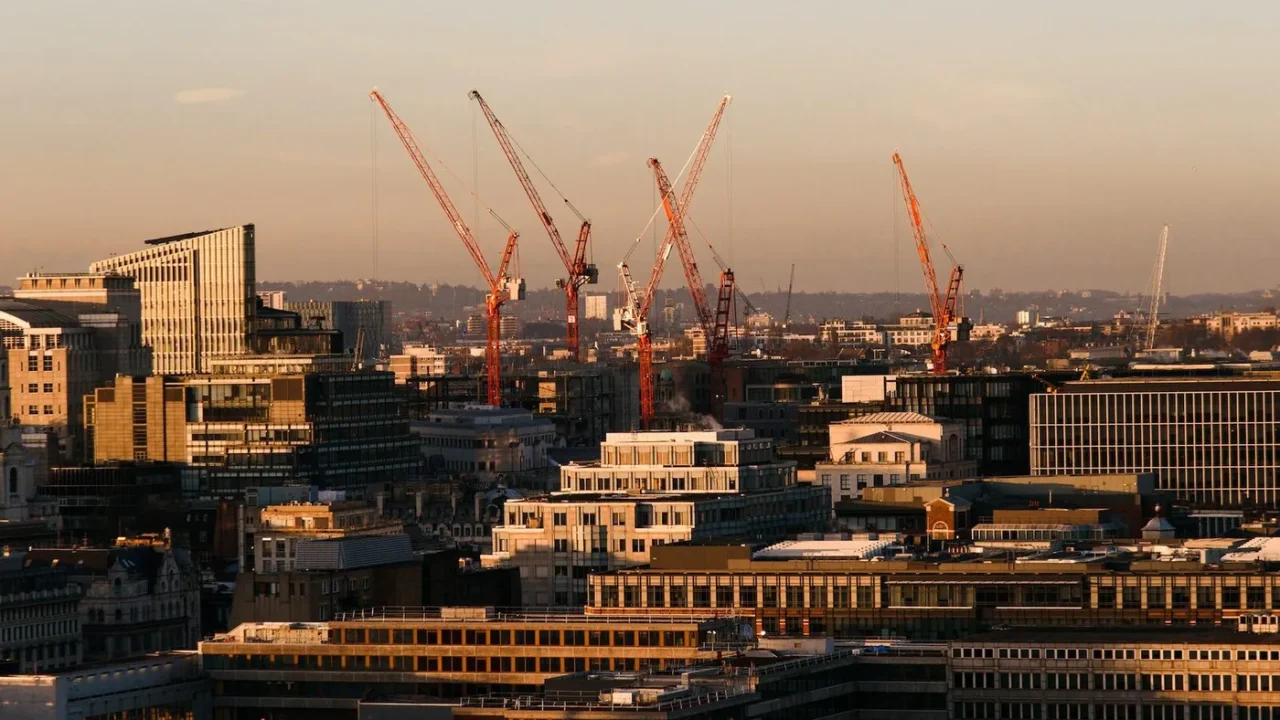
Real estate development stands at the crossroads of creativity, economics, and urban evolution. It’s a multifaceted endeavor that transforms raw land into vibrant communities, commercial hubs, and architectural landmarks. In this comprehensive exploration, we embark on a journey to uncover the intricate world of real estate development, delving into its key components, processes, challenges, and the dynamic role it plays in shaping our cities.
Understanding Real Estate Development
At its core, real estate development encompasses the art of envisioning possibilities and the science of turning those visions into reality. It’s where design, economics, and urban planning converge, creating spaces that cater to the needs, aspirations, and aspirations of a dynamic society. Real estate development isn’t just about erecting structures; it’s about curating lifestyles, fostering economic growth, and leaving an indelible mark on the landscape.
Stages of Real Estate Development
The journey of real estate development spans several distinct stages, each crucial to the success of the project. It begins with land acquisition and feasibility, where potential sites are evaluated based on factors like location, market demand, and potential returns. Once a suitable site is secured, the conceptualization and design phase takes center stage. Architects, urban planners, and designers collaborate to create a vision that merges aesthetics with functionality.
With designs in hand, the project moves into the approvals and permits stage. Regulatory bodies review plans to ensure they adhere to zoning regulations, environmental considerations, and community needs. Once approvals are secured, the project transitions to the construction and execution phase. Builders, contractors, and engineers work harmoniously to bring the designs to life.
As construction nears completion, the marketing and sales phase begins. Developers showcase the project’s value proposition to potential buyers or tenants, aiming to create buzz and secure commitments. Finally, the project concludes with the handover and post-occupancy stage, where the keys to the property are handed over to the new owners, and ongoing maintenance and management strategies are put in place.
The Key Players in Real Estate Development
Real estate development is a collaborative effort that involves a diverse cast of characters. Developers and investors are the driving forces behind the project, responsible for financing and overseeing its progress. Architects and designers bring the project to life, ensuring that the designs align with the vision while considering practicality and aesthetics. Engineers and consultants provide expertise in areas such as structural integrity, mechanical systems, and environmental impact. Contractors and builders execute the designs on the ground, turning blueprints into tangible structures. Urban planners and regulators ensure that the project adheres to local regulations, aligns with community needs, and contributes positively to the urban fabric.
Economic Dynamics in Real Estate Development
The world of real estate development is intimately intertwined with economic principles. Supply and demand dynamics influence decisions, dictating the type of projects that are pursued. Market analysis and feasibility studies assess the viability of a project by examining factors such as potential returns, competition, and market trends. Financing and investment strategies determine how the project will be funded, balancing debt and equity to ensure financial sustainability. Return on investment (ROI) and risk assessment play pivotal roles in determining the project’s viability and attractiveness to investors.
Designing the Built Environment
Design is the soul of real estate development. It’s where creativity melds with practicality to create spaces that inspire, accommodate, and enhance the quality of life. Master planning involves envisioning the project’s layout, considering factors such as traffic flow, green spaces, and communal areas. Architecture transforms concepts into blueprints, harmonizing aesthetics, functionality, and sustainability. The challenge lies in striking a balance between form and function, crafting structures that reflect the community’s identity while addressing practical needs.
Navigating Regulatory Landscapes
Regulatory bodies play a crucial role in real estate development, shaping the urban fabric and ensuring projects align with community interests. Zoning laws and land use regulations dictate how land can be used, preventing conflicts and promoting harmony within neighborhoods. Environmental impact assessments evaluate a project’s potential effects on the environment, guiding sustainable practices. Permitting and approvals processes involve navigating bureaucratic channels to obtain necessary permissions. Effective community engagement and public relations foster understanding and support, mitigating opposition and enhancing the project’s chances of success.
Challenges and Opportunities in Real Estate Development
While real estate development offers boundless possibilities, it also presents challenges that demand strategic navigation. Land scarcity and urbanization pressures require innovative approaches to optimize space usage. Economic fluctuations and market volatility add complexity to financial planning, necessitating risk management strategies. The urgency of addressing environmental concerns presents both a challenge and an opportunity for the industry to embrace sustainability and foster eco-friendly innovations. The need for affordable housing and promoting social equity underscores the industry’s responsibility to create spaces that cater to diverse socioeconomic backgrounds. Additionally, the rapid pace of technological advancements presents the challenge of embracing technological disruptions and building innovations, from modular construction to smart building systems.
Trends Shaping the Future of Real Estate Development
As we stand at the threshold of a rapidly changing world, the landscape of real estate development is undergoing a transformative evolution. A convergence of technological advancements, societal shifts, and environmental consciousness is reshaping the industry’s trajectory. Let’s delve deeper into the trends that will shape the future of real estate development.
Mixed-Use Developments and Placemaking
Gone are the days when cities were mere collections of buildings. The future belongs to mixed-use developments, where residential, commercial, and recreational spaces harmoniously coexist within a single area. These vibrant districts offer convenience and efficiency, reducing the need for long commutes and enhancing the quality of life. The concept of placemaking goes hand in hand, as developers strive to create spaces that foster a sense of community and belonging. Public spaces, parks, and pedestrian-friendly zones become central to the urban fabric, encouraging social interaction and cultural exchange.
Smart Cities and Digital Integration
The digital revolution has reached the realm of real estate, giving rise to the concept of smart cities. Through advanced technology and data-driven solutions, urban centers are becoming more efficient, sustainable, and responsive to residents’ needs. Digital integration permeates all aspects of development, from energy-efficient smart buildings to intelligent transportation systems that reduce congestion and emissions. The Internet of Things (IoT) transforms buildings into interconnected ecosystems, where sensors and devices optimize energy usage, security, and comfort. Such innovations not only enhance the urban experience but also contribute to environmental preservation and resource optimization.
Wellness-Oriented Environments
The pursuit of well-being is a defining characteristic of the modern age. Real estate developers are embracing this trend by prioritizing wellness-oriented environments. Designing spaces that promote physical, mental, and emotional well-being has become a cornerstone of progressive projects. Incorporating natural elements, ample green spaces, and promoting active lifestyles through fitness centers and recreational facilities are becoming essential components of development. Additionally, wellness-focused design takes into consideration factors such as air quality, natural lighting, and acoustics to create environments that nurture health and happiness.
Adaptive Reuse and Revitalization
Sustainability and preservation are guiding principles in the future of real estate development. The trend of adaptive reuse involves repurposing existing structures for new functionalities, reducing the environmental impact of demolition and construction. Historic buildings, factories, and warehouses are transformed into modern living spaces, offices, or cultural venues, preserving their unique character while breathing new life into urban landscapes. This approach not only honors a city’s heritage but also promotes sustainable practices by minimizing waste and conserving resources.
Transit-Oriented Development and Urban Mobility
The future of real estate development is inseparable from the future of transportation. Transit-oriented development (TOD) places an emphasis on creating communities around transportation hubs, reducing reliance on private vehicles and promoting sustainable modes of commuting. By designing spaces that prioritize walkability, cycling, and access to efficient public transportation, developers contribute to reduced congestion, improved air quality, and enhanced urban mobility. This trend aligns with the growing preference for environmentally friendly modes of transportation and the desire for convenient, connected living.
Conclusion: Pioneering a New Era of Development
The future of real estate development is an exciting frontier, shaped by a fusion of innovation, sustainability, and the changing needs of society. The emergence of mixed-use developments, smart cities, wellness-oriented spaces, adaptive reuse, and transit-oriented communities heralds a new era where real estate is not just about physical structures but also about creating dynamic, inclusive, and harmonious urban environments. As we navigate these trends, developers hold the key to crafting cities that cater to the aspirations and well-being of present and future generations. In embracing these trends, we unlock a future where real estate development becomes a powerful force for positive change, enriching lives and elevating the art of urban living.