
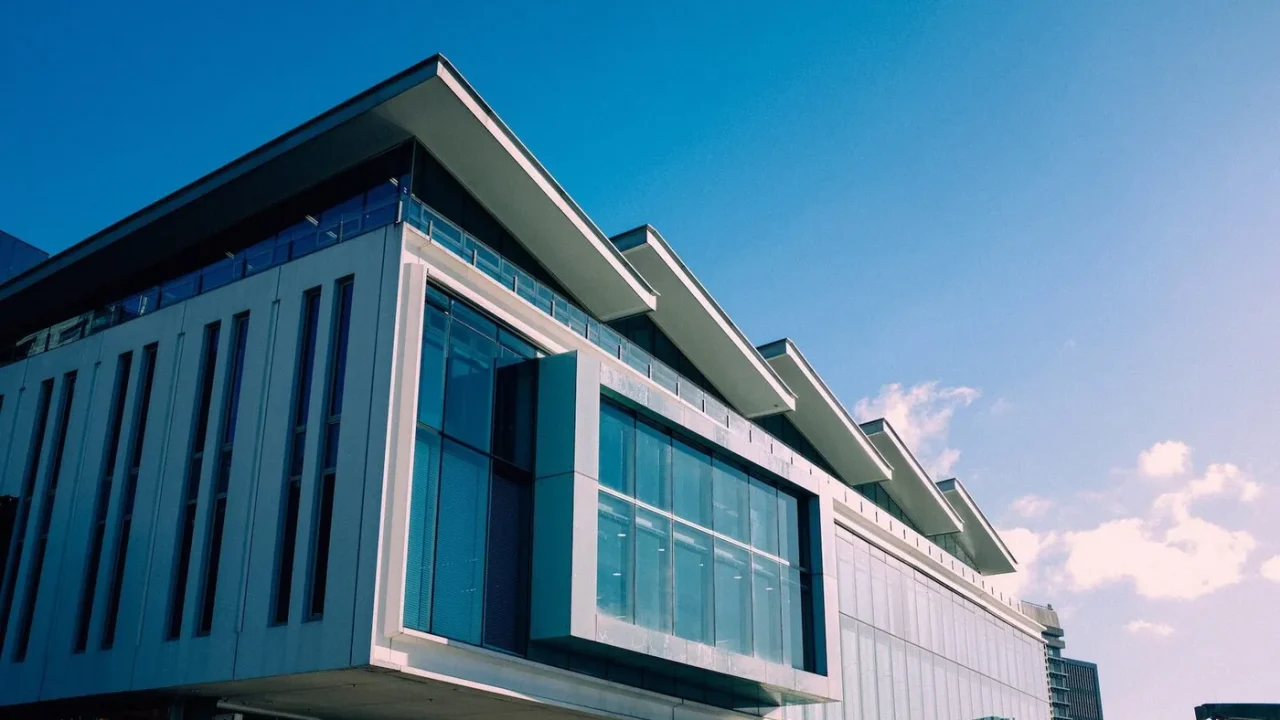
In the dynamic world of construction, commercial projects stand as monumental feats of engineering and design. From towering skyscrapers to sprawling office complexes, the realm of commercial construction holds the promise of shaping the urban landscape while driving economic growth. In this comprehensive guide, we’ll delve deep into the intricacies of commercial construction, uncovering the strategies, trends, challenges, and best practices that underpin successful ventures in this highly competitive industry.
Understanding Commercial Construction
Understanding commercial construction is crucial for navigating the dynamic world of real estate development and infrastructure creation. Commercial construction refers to the process of designing, planning, and erecting structures that serve business, industrial, or institutional purposes. These projects range from office buildings and shopping centers to hotels, warehouses, and healthcare facilities.
Collaboration among project owners, architects, engineers, contractors, and regulatory bodies is paramount in commercial construction. The phases encompass pre-construction planning, where feasibility studies and designs are developed; procurement of materials and resources; construction execution; and quality control. Adhering to regulatory requirements and safety standards is of utmost importance to ensure compliance and the well-being of all stakeholders.
In this landscape, challenges such as budget management, intricate timelines, and environmental impact mitigation are constant considerations. Embracing strategies like collaborative design-build approaches, lean construction principles, and technological integration through Building Information Modeling (BIM) helps enhance efficiency and communication throughout the project lifecycle.
By grasping the intricacies of commercial construction and its players, from investors to builders, one can successfully contribute to shaping the urban environment while adhering to sustainable practices and meeting the demands of modern business needs.
Key Players in Commercial Construction
Key players in commercial construction form a collaborative ecosystem that orchestrates the creation of diverse structures. Project owners and developers initiate projects, setting the vision and financing. Architects and designers bring creativity to life, crafting blueprints that balance functionality and aesthetics. General contractors oversee project execution, coordinating various aspects and managing timelines and resources. Subcontractors specialize in specific trades, contributing expertise to different phases of construction.
Regulatory authorities ensure adherence to building codes, safety standards, and environmental regulations. Their oversight guarantees structures are safe, compliant, and sustainable, fostering community well-being. The synergy among these players is essential for seamless project realization, from inception through design, construction, and final occupancy. Collaboration among investors, creative minds, skilled builders, and regulatory bodies culminates in exceptional commercial spaces that enrich urban landscapes and cater to modern needs.
Phases of Commercial Construction
The phases of commercial construction represent a carefully orchestrated sequence that transforms architectural visions into tangible structures. Pre-construction planning and design set the groundwork, involving feasibility studies, concept development, and blueprints creation. This phase lays the foundation for a well-coordinated project.
Procurement of materials and resources follows, encompassing sourcing construction materials, equipment, and skilled labor. Ensuring timely availability of these resources is essential for a smooth project progression.
During construction and execution, the project takes shape. This involves site preparation, foundation laying, framing, and interior outfitting. Collaboration between general contractors, subcontractors, and architects is crucial to meet project milestones.
Quality control and safety measures are paramount throughout construction. Stringent quality checks and adherence to safety protocols mitigate risks and ensure the final structure meets industry standards and regulations.
As the project nears completion, the project handover and maintenance phase commences. The keys to the property are transferred to the owner, who assumes responsibility for ongoing maintenance and facility management.
Navigating these phases with precision and collaboration ensures a successful commercial construction project, delivering a functional, safe, and aesthetically pleasing space that fulfills the needs of the intended occupants.
Navigating Challenges in Commercial Construction
The realm of commercial construction is rife with challenges that demand strategic navigation for project success. Budgetary constraints and cost management pose constant dilemmas, necessitating prudent financial planning and resource allocation to prevent overruns.
Complex project scheduling and timelines further compound challenges. Coordinating multiple tasks, ensuring timely delivery of materials, and aligning various subcontractors demand meticulous planning to prevent delays.
Mitigating risks and uncertainties is crucial, as unforeseen events can disrupt progress. Developing contingency plans and conducting thorough risk assessments aid in minimizing potential setbacks.
Adhering to regulatory requirements presents another hurdle. Navigating through a labyrinth of codes, permits, and compliance standards requires a comprehensive understanding of local regulations and efficient communication with regulatory bodies.
The call for sustainable practices and environmental impact reduction adds an ethical dimension. Incorporating green building technologies, efficient energy usage, and waste reduction measures is essential to align with global sustainability goals.
In the face of these challenges, successful commercial construction projects rely on proactive problem-solving, effective communication, and collaboration among stakeholders. By addressing these hurdles head-on, professionals can navigate the complexities of commercial construction and transform challenges into opportunities for innovation and growth.
Strategies for Success in Commercial Construction
Navigating the intricate landscape of commercial construction demands a strategic approach that goes beyond blueprints and bricks. Thorough project feasibility analysis is a cornerstone, assessing financial viability and potential challenges before the ground is broken.
Collaborative design-build approaches foster seamless coordination among stakeholders. By involving architects, contractors, and owners from the outset, this strategy streamlines decision-making, enhances communication, and accelerates project timelines.
Lean construction principles optimize efficiency, minimizing waste and maximizing value. Embracing technology, such as Building Information Modeling (BIM), empowers real-time visualization and collaboration, facilitating effective design and efficient construction processes.
Effective communication and stakeholder engagement underpin success. Clear channels of communication among all players, from owners to laborers, ensure that expectations are aligned and changes are managed smoothly.
As commercial construction evolves, these strategies empower professionals to overcome challenges, drive innovation, and deliver projects that stand as benchmarks of quality, functionality, and sustainability. By adopting these practices, stakeholders embark on a journey of success that enriches urban landscapes and transforms architectural dreams into concrete realities.
Trends Shaping Commercial Construction
The landscape of commercial construction is evolving, influenced by dynamic trends that redefine the industry’s trajectory. Green building and sustainability are paramount, with projects embracing eco-friendly materials, energy-efficient designs, and sustainable practices to minimize environmental impact.
The rise of modular and prefabricated construction is transforming how structures are built. These methods offer speed, cost efficiency, and reduced waste, making them an attractive choice for commercial projects.
Adaptive reuse and historical preservation are gaining traction as societies seek to retain cultural heritage. Converting old structures into modern functional spaces showcases a blend of history and innovation.
Smart building technology and automation are revolutionizing the way commercial spaces function. From energy management systems to integrated security solutions, these technologies enhance efficiency, occupant experience, and sustainability.
The principle of inclusive and accessible design is gaining prominence, emphasizing spaces that cater to diverse needs. This trend reflects a commitment to creating environments that are welcoming and functional for everyone.
These trends are reshaping the commercial construction landscape, prompting stakeholders to integrate innovation, sustainability, and user-centric design into their projects. By embracing these trends, the industry is poised to deliver structures that align with modern needs while setting new standards for efficiency and impact.
Case Studies: Iconic Commercial Projects
Exploring iconic commercial projects offers invaluable insights into the artistry and innovation that define the world of construction. The Burj Khalifa in Dubai, a soaring masterpiece, showcases the fusion of advanced engineering and architectural vision, standing as an emblem of human achievement.
Apple Park, Cupertino’s architectural marvel, blends innovation with sustainability. Its circular design and cutting-edge technology create a harmonious synergy between nature and innovation.
The Shard in London redefines the city’s skyline with its vertical elegance. Its striking design and mixed-use functionality exemplify the integration of aesthetics and functionality.
Marina Bay Sands in Singapore is a hallmark of luxury and entertainment. The integrated resort’s three towers connected by a rooftop park redefine urban spaces, highlighting the potential for multifunctional design.
These case studies underscore the industry’s capacity for pushing boundaries. They embody groundbreaking design, technological innovation, and visionary thinking that not only inspire but also shape the way we approach commercial construction.
Global Perspectives on Commercial Construction
The realm of commercial construction transcends geographical boundaries, reflecting diverse cultural, economic, and architectural perspectives. Urbanization is driving the demand for megaprojects across the globe, reshaping skylines and cityscapes.
Cultural influences play a pivotal role, as indigenous architecture blends with contemporary designs. In some regions, structures are rooted in tradition, seamlessly integrating with nature to create sustainable and harmonious environments.
Cross-border collaboration is fostering innovation. Architects, engineers, and builders from different nations pool their expertise, resulting in projects that reflect a fusion of international design philosophies.
Historical preservation remains a priority, particularly in regions rich in heritage. Striking a balance between preserving historical charm and accommodating modern needs is a challenge that architects worldwide grapple with.
Global perspectives also influence materials and technologies used. Resource availability and local preferences dictate choices, resulting in a rich tapestry of building styles and methodologies.
Embracing these global perspectives enhances the vitality of commercial construction. By celebrating cultural uniqueness and fostering cross-border exchange, the industry continually evolves, creating structures that stand as testaments to human ingenuity and collaboration.
Future Frontiers of Commercial Construction
The future of commercial construction holds exciting prospects driven by technological advancements and evolving societal needs. AI and robotics are set to revolutionize construction processes, from automated material handling to drone-assisted site surveys, enhancing efficiency and safety.
3D printing and additive manufacturing promise to reshape the way structures are built. The ability to create intricate designs with speed and reduced waste is poised to disrupt traditional construction methods.
As climate change concerns grow, resilient design will become crucial. Structures will be designed to withstand extreme weather events, promoting sustainability and minimizing long-term costs.
Materials innovation will play a pivotal role. Advanced materials, from self-healing concrete to sustainable alternatives, will transform building durability and energy efficiency.
As urbanization continues, commercial construction may extend beyond Earth. The concept of designing for space colonization presents new challenges and opportunities, redefining architecture and construction for extraterrestrial environments.
Furthermore, the integration of artificial intelligence in design optimization and planning will unlock unprecedented levels of efficiency and creativity.
The future frontiers of commercial construction hold the promise of sustainable, efficient, and technologically advanced structures that cater to evolving human needs while respecting our planet’s resources and potential beyond our world.
Conclusion: Navigating the Future of Commercial Construction
In the ever-evolving landscape of commercial construction, the journey is as significant as the destination. As we conclude this comprehensive exploration, it’s evident that the industry is shaped by innovation, collaboration, and a commitment to creating spaces that transcend functionality. Navigating the future of commercial construction requires a holistic approach that embraces trends, challenges, and strategies while staying true to the essence of design and construction.
The integration of technology, sustainability, and user-centric design is redefining what’s possible. From green building practices to smart technologies, the industry is poised to elevate structures to new heights of efficiency, aesthetics, and environmental responsibility.
However, the heart of commercial construction remains collaboration. Architects, engineers, builders, investors, and regulatory bodies must work in harmony to bring visions to life. Effective communication and stakeholder engagement ensure that projects progress smoothly, meeting timelines and adhering to budget constraints.
The future holds even more exciting possibilities. As AI, robotics, and 3D printing become commonplace, the way we conceptualize and realize structures will be revolutionized. Additionally, the shift towards sustainable and resilient design showcases the industry’s adaptability to address global challenges.
Beyond Earth, commercial construction’s frontiers are expanding. The concept of space colonization presents unprecedented architectural challenges, requiring innovative solutions to build habitats on distant planets.
As we navigate this dynamic landscape, one thing remains constant: the power of human ingenuity. Commercial construction is a testament to our ability to shape environments that inspire, accommodate, and facilitate growth. Each project is an opportunity to craft spaces that contribute to the well-being of communities, drive economic progress, and tell stories of innovation and collaboration.
In conclusion, the future of commercial construction is marked by limitless possibilities. From sustainable skyscrapers to space colonies, the industry will continue to redefine what’s achievable. The journey ahead requires a dedication to excellence, a willingness to embrace change, and a deep respect for the impact our creations have on the world. As the torchbearers of this transformative industry, it’s our duty to shape the future responsibly, leaving a legacy of architectural marvels that inspire generations to come.